
Woytek and Clovis,
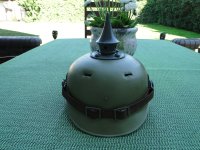
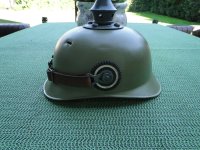
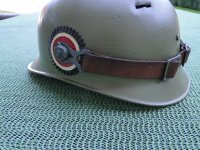
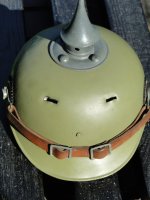
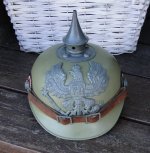
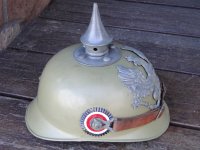
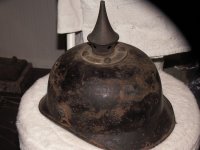
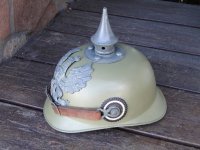
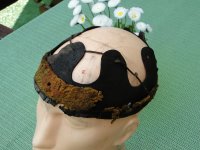
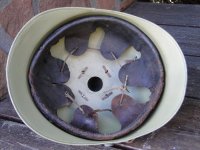
Great team work on the whole process of restoring this 110+ year old piece of history. I have been on several forums and many members take offense when someone points out something that may be overlooked or not noticed but here it is a truly different story. Again, great advice Clovis and truly wonderful piece of work Woytek!
Best regards,
John
Great team work on the whole process of restoring this 110+ year old piece of history. I have been on several forums and many members take offense when someone points out something that may be overlooked or not noticed but here it is a truly different story. Again, great advice Clovis and truly wonderful piece of work Woytek!
Best regards,
John