


CLOVIS 57
Well-known member

I posted this shako on the WAF Imperial German Headgear sub-forum a while back with some good information. However, I recently received this statement indicating it may have been produced post 1920's. Manufacturer is C. POSE Berlin. I would appreciate the expert opinions of members here if this can be confirmed or refuted. Thank you, Chuck
- C. Roelens
- Replies: 38
- Forum: Shakos/Tschakos

"The grain of the leather is correct, and the Prussian Eagle is correct. I respect your opinions, but you have no credible evidence proving otherwise." Chuck
1---Regarding the size of the eagle, simply compare it to the dimensions of a good Jäger eagle and you'll have proof.

2---Regarding the leather grain :
---Here is the grain of the Shako Supra:
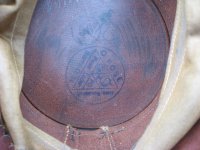
Here is the hull of a current reproduction for the reconstruction.
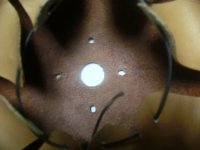
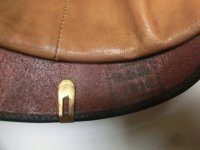
These leathers have an appearance similar to "salami", reconstituted cork, bakelite... In France this is called a leather crust or a "flesh side".
And here is the interior of a WW1-era shell. The flesh side of the leather is under the rubber, whereas on some post-WW1 leathers, firefighters, and current reproductions.
In WW1 hairstyles, it is always the "full grain" side (outer part of the skin) that is visible, because the "flesh" part is covered by the rubber on the outside.
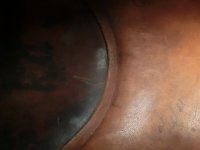
I was asked for proof... here it is, with the explanation. I say and I show. I can't do more. Once again, meticulousness is required.
Best regards.
Last edited:
