

RoyalScotsVols
Well-known member
A meeting of prominent Glasgow residents was held in the city in August 1848 which proposed forming a new corps of Volunteer Cavalry. As Lanarkshire and Ayrshire already supported their own yeomanry regiments, it was probably felt that a city of such importance as Glasgow should do likewise.
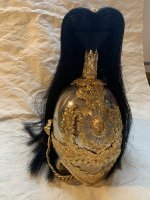
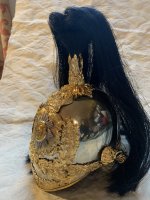
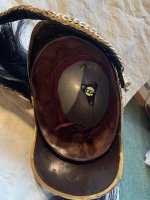
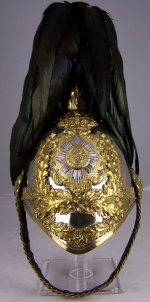
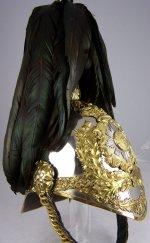
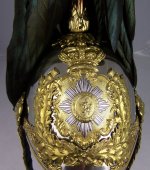
Accordingly, the Glasgow and Lower Ward of Lanarkshire Yeomanry Cavalry (the initial title of the unit) were formed and spent the first few months recruiting, organising and sourcing equipment. Most of this material was purchased locally but the 1847 ‘Albert’ pattern helmets (recently introduced into the British military) required to be ordered from London. The chosen helmet had a silver skull, embellished with foliated strips and a leaf-shaped holder to take a hair plume for normal wear but also a dark green cock-feather plume for parade use. According to contemporary accounts and illustrations, it appears that the Glasgow Yeomanry had this helmet in advance of a number of regular Dragoon units - no doubt due to the fact that they were ordered and paid for privately!
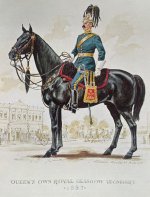
The uniform was similar to the pattern of the Heavy Cavalry except that the coatee was in dark blue rather than the red of the regular army. The collar, cuffs and facings of the coat tails were scarlet; lace, sash and epaulettes were gold; the pouch was black leather on a white belt and the sabretache was also black with a gilt monogram.
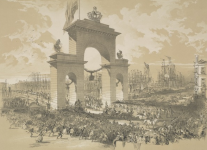
On 14 August 1849 there was the first visit to Glasgow by a reigning monarch for over two hundred years. Queen Victoria, Prince Albert and four of their children made a short tour of the city centre enroute from Ireland to a holiday at Balmoral in the Scottish Highlands. Unfortunately, the day commenced in pouring rain which must have been severely disappointing to the Town Council and inhabitants. Elaborate preparations had been made in the city including the construction of an 80-foot triumphal arch painted to look like granite and circa 400,000 people were estimated to have lined the streets. The arch detailed in a contemporary illustration is shown below (picture credit National Galleries of Scotland):
It was also to be a day of considerable note for the new Glasgow Yeomanry as they provided the prestigious front and rear guards to the royal procession with the carriage escort being provided by regular troops from the 2nd Dragoon Guards (The Queen's Bays). It seems surprising that the Yeomanry were assigned this duty as the regiment had only been formed the previous year and had begun to practice drilling only two months before the Royal Visit. Whilst it’s likely that most of the horses were accustomed to the sounds of a city, the cheering, particularly in Argyle Street, was recorded as being ‘tumultuous’.
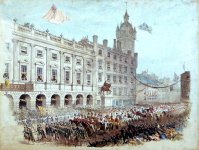
The lithograph below shows Queen Victoria in an open carriage passing the equestrian statue of King William III and the Tontine Hotel in the Trongate area of the city. In the background stands the Tolbooth with a Union Flag flying from its steeple. Unfortunately, the Glasgow Yeomanry are not in view as they were positioned to the front and rear of the procession.
The poor weather must have been particularly trying for the volunteer cavalrymen who were turned out in their splendid new uniforms. However, a contemporary observer enthused that ‘the heavens wept for joy’ and also that ‘the Glasgow Yeomanry pranced about and did conquering work.’ This ‘prancing and conquering’ must have been noticed favourably by Her Majesty as a few weeks later the corps was informed that the Queen was graciously pleased to confer the honorary distinction of ‘The Queen's Own Royal’ title (meaning the unit became ’The Queens Own Royal Glasgow Yeomanry’) in recognition of its performance as mounted escort during the visit. This was certainly an honour, shared by relatively few Yeomanry regiments, and must have been of particular pride for such a young force.
The next 50 years for the Glasgow Yeomanry proceeded much as it did for other similar corps. Service with the Volunteers was very fashionable and the Yeomen with their mounted band were a colourful addition to civic and public events. Annual training camps lasting eight days were generally held in May and the regiment held regular reviews on Glasgow Green. In 1861 a realistic exercise was held on the Pollok estate with the cavalry being represented by units from the Royal Scots Greys and the Glasgow Yeomanry. This combined cavalry force made a spectacular charge which scattered the crowds of onlookers in their path. At the end of the day the estate was left quite devastated due to the immense crowd which had turned out to witness the mock battle.
There were occasions when the Yeomanry were called out as a show of force in times of industrial unrest but generally the regiment was engaged in training and drilling. Sports events, gala days, balls and the march to Hamilton from Blythswood Square in Glasgow city centre all became annual events. In 1888 the "Queen's Own" again took part in escorting Her Majesty during a visit to the city.
In the Second Boer War volunteers from the Glasgow Yeomanry formed the 18th Company of the 6th (Scottish) Battalion of the Imperial Yeomanry. From this active service with its hard lessons the Yeomen returned with a tougher, more realistic approach to part-time soldiering. In the early 1900's khaki became the working dress with swords having been put away except for a few retained for ceremonial events. The colourful full dress was now worn only on special occasions and by officers for levees.
Accordingly, the Glasgow and Lower Ward of Lanarkshire Yeomanry Cavalry (the initial title of the unit) were formed and spent the first few months recruiting, organising and sourcing equipment. Most of this material was purchased locally but the 1847 ‘Albert’ pattern helmets (recently introduced into the British military) required to be ordered from London. The chosen helmet had a silver skull, embellished with foliated strips and a leaf-shaped holder to take a hair plume for normal wear but also a dark green cock-feather plume for parade use. According to contemporary accounts and illustrations, it appears that the Glasgow Yeomanry had this helmet in advance of a number of regular Dragoon units - no doubt due to the fact that they were ordered and paid for privately!
The uniform was similar to the pattern of the Heavy Cavalry except that the coatee was in dark blue rather than the red of the regular army. The collar, cuffs and facings of the coat tails were scarlet; lace, sash and epaulettes were gold; the pouch was black leather on a white belt and the sabretache was also black with a gilt monogram.
On 14 August 1849 there was the first visit to Glasgow by a reigning monarch for over two hundred years. Queen Victoria, Prince Albert and four of their children made a short tour of the city centre enroute from Ireland to a holiday at Balmoral in the Scottish Highlands. Unfortunately, the day commenced in pouring rain which must have been severely disappointing to the Town Council and inhabitants. Elaborate preparations had been made in the city including the construction of an 80-foot triumphal arch painted to look like granite and circa 400,000 people were estimated to have lined the streets. The arch detailed in a contemporary illustration is shown below (picture credit National Galleries of Scotland):
It was also to be a day of considerable note for the new Glasgow Yeomanry as they provided the prestigious front and rear guards to the royal procession with the carriage escort being provided by regular troops from the 2nd Dragoon Guards (The Queen's Bays). It seems surprising that the Yeomanry were assigned this duty as the regiment had only been formed the previous year and had begun to practice drilling only two months before the Royal Visit. Whilst it’s likely that most of the horses were accustomed to the sounds of a city, the cheering, particularly in Argyle Street, was recorded as being ‘tumultuous’.
The lithograph below shows Queen Victoria in an open carriage passing the equestrian statue of King William III and the Tontine Hotel in the Trongate area of the city. In the background stands the Tolbooth with a Union Flag flying from its steeple. Unfortunately, the Glasgow Yeomanry are not in view as they were positioned to the front and rear of the procession.
The poor weather must have been particularly trying for the volunteer cavalrymen who were turned out in their splendid new uniforms. However, a contemporary observer enthused that ‘the heavens wept for joy’ and also that ‘the Glasgow Yeomanry pranced about and did conquering work.’ This ‘prancing and conquering’ must have been noticed favourably by Her Majesty as a few weeks later the corps was informed that the Queen was graciously pleased to confer the honorary distinction of ‘The Queen's Own Royal’ title (meaning the unit became ’The Queens Own Royal Glasgow Yeomanry’) in recognition of its performance as mounted escort during the visit. This was certainly an honour, shared by relatively few Yeomanry regiments, and must have been of particular pride for such a young force.
The next 50 years for the Glasgow Yeomanry proceeded much as it did for other similar corps. Service with the Volunteers was very fashionable and the Yeomen with their mounted band were a colourful addition to civic and public events. Annual training camps lasting eight days were generally held in May and the regiment held regular reviews on Glasgow Green. In 1861 a realistic exercise was held on the Pollok estate with the cavalry being represented by units from the Royal Scots Greys and the Glasgow Yeomanry. This combined cavalry force made a spectacular charge which scattered the crowds of onlookers in their path. At the end of the day the estate was left quite devastated due to the immense crowd which had turned out to witness the mock battle.
There were occasions when the Yeomanry were called out as a show of force in times of industrial unrest but generally the regiment was engaged in training and drilling. Sports events, gala days, balls and the march to Hamilton from Blythswood Square in Glasgow city centre all became annual events. In 1888 the "Queen's Own" again took part in escorting Her Majesty during a visit to the city.
In the Second Boer War volunteers from the Glasgow Yeomanry formed the 18th Company of the 6th (Scottish) Battalion of the Imperial Yeomanry. From this active service with its hard lessons the Yeomen returned with a tougher, more realistic approach to part-time soldiering. In the early 1900's khaki became the working dress with swords having been put away except for a few retained for ceremonial events. The colourful full dress was now worn only on special occasions and by officers for levees.
Last edited:


 , but yours are absolutely fantastic. Congratulations.